15 min read · Updated August 2026
3 days in Bangkok: an itinerary built around how the city works

Published August 28, 2026 · 15 min read
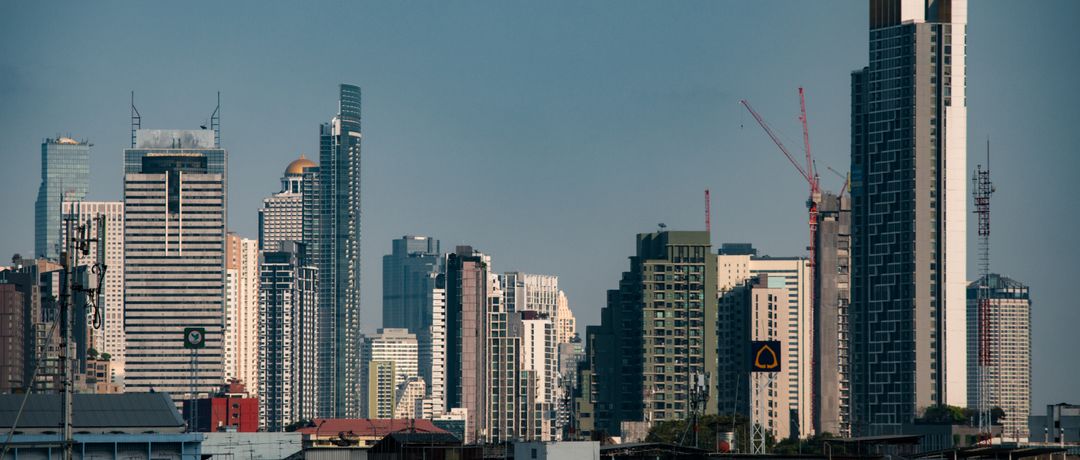
Three days in Bangkok goes wrong the same way most short city trips do: a list of famous names in no particular order, a taxi booked for every gap between them, and an afternoon lost to traffic on Sukhumvit that should have taken fifteen minutes on the Skytrain. Bangkok is not one city centre, it is several, strung along a river and a rail network, and the itinerary that works treats it that way.
This plan covers one part of the city thoroughly each day: the old royal river district, then Chinatown and the weekend market belt, then the modern high-rise core around Siam and Sukhumvit. You will cross the city less and see more, and you will not spend an hour of your only Thursday evening stuck behind a truck on Rama IV.
It assumes you arrive tired, that eating well is part of the point, and that a slow morning at a temple beats a rushed one. Costs, transport, scams to sidestep and connectivity are covered at the end, because those details are what separate a smooth trip from a stressful one.
The short answer
- Best for
- First-time visitors, 3 full days
- Daily budget
- $35 to $110 per person
- Getting around
- BTS Skytrain and MRT with a Rabbit Card, Grab for the rest
- Airport transfer
- 35 to 50 min from Suvarnabhumi via Airport Rail Link
- Best months
- November to February, the cool dry season
- Currency
- Thai baht, cash still needed for markets and street stalls
Getting from the airport into the city
Bangkok has two airports and they serve different journeys. Suvarnabhumi (BKK) handles almost all international arrivals and sits about thirty kilometres east of the centre. Don Mueang (DMK) is closer in some ways but mainly serves budget and domestic carriers; if your flight lands there, a taxi or the A1 bus into town is the practical option.
From Suvarnabhumi, the Airport Rail Link runs directly into the city in thirty-five to fifty minutes and connects to the BTS Skytrain at Phaya Thai station, which is the cheapest and often the fastest option once you are through immigration. A single-journey ticket costs 15 to 45 baht depending on distance. Taxis from the official rank cost roughly 300 to 400 baht to Sukhumvit or Silom including the highway toll and airport surcharge, and take forty minutes to over an hour in traffic.
Skip the touts offering rides inside the terminal; they are more expensive than the metered taxi queue outside and occasionally refuse the meter entirely. Before you leave the airport, sort a Rabbit Card for transit and, if you have not already, mobile data. Bangkok's grid of one-way sois and unmarked lanes is genuinely confusing without live maps, and our Bangkok connectivity guide covers what coverage is actually like across the BTS network and the old city.
Avoid the taxi touts, use the official rank
Suvarnabhumi's public taxi queue on the first floor is metered, regulated and cheaper than any driver who approaches you inside the terminal. Insist on the meter ("meter, please") before the car moves, and expect a 50 baht airport surcharge plus tolls on top of the fare shown.
Where to stay, and why it matters more than usual
Bangkok's traffic makes location the single biggest decision of the trip. Staying on or near a BTS or MRT line turns a potential forty-minute crawl into a ten-minute ride, and staying off one turns every evening into a Grab booking. Sukhumvit, roughly between Nana and Ekkamai, gives the widest hotel range, easy Skytrain access, and a base close to good food and nightlife.
Silom and Sathorn suit business travellers and put you near Lumpini Park and the BTS-MRT interchange at Sala Daeng, with a slightly calmer feel after dark than Sukhumvit. Riverside hotels along the Chao Phraya near Charoen Krung offer views and easy access to the express boats, though they sit further from the rail network and lean on hotel shuttles or taxis for the rest of the city.
Budget travellers cluster around Khao San Road and Banglamphu, in the old city near the temples, which is atmospheric and cheap but poorly served by the BTS; the nearest line is a Grab ride away. Whichever base you pick, being within a five-minute walk of a Skytrain or metro station saves more time across three days than any other single choice.
Day 1: the river and old Bangkok
Start at the Grand Palace, ideally at the 8:30am opening. This was the official residence of the Kings of Siam and still houses Wat Phra Kaew, the Temple of the Emerald Buddha, the most sacred Buddhist site in Thailand. Dress rules are strict: shoulders and knees covered, no exceptions, and sarongs are available to rent at the gate for anyone caught out.
Walk south to Wat Pho, home to the forty-six-metre reclining Buddha covered in gold leaf, and one of the oldest and largest temple complexes in the city. It is also Thailand's original centre for traditional massage, and a one-hour Thai massage here after a morning of walking costs a fraction of a spa price elsewhere. Give it an hour; the mother-of-pearl inlay on the reclining Buddha's feet alone rewards slowing down.
Cross the Chao Phraya by cross-river ferry, a few baht and five minutes, to reach Wat Arun, the Temple of Dawn, whose central prang is encrusted with porcelain and seashell mosaics that catch the light best in late afternoon. Climb the steep steps partway up for a river view, then take an express boat one or two stops back toward Tha Tien pier for lunch among the river-facing shophouses.
Evening: stay along the river or head into Banglamphu. Khao San Road is worth thirty minutes for the spectacle even if backpacker bars are not your scene, and the surrounding streets have some of the best street food stalls in the old city, well away from the neon.
Day 1 at a glance
- 08:30 Grand Palace and Wat Phra Kaew, before the tour groups
- 10:30 Wat Pho: reclining Buddha and traditional massage
- 12:30 Cross-river ferry to Wat Arun, Temple of Dawn
- 14:00 Lunch riverside near Tha Tien pier
- 18:00 Khao San Road and Banglamphu street food
Day 2: Chinatown to the weekend market belt
Morning belongs to Chinatown. Take the MRT to Wat Mangkon and walk into Yaowarat Road, the spine of one of the largest Chinatowns in the world, dense with gold shops, herbal medicine stores and temples. Wat Traimit, a short walk away, holds the Golden Buddha, a five-and-a-half-tonne solid gold statue that spent decades disguised in plaster to hide it from invading armies, discovered by accident when it was dropped during a move in 1955.
If your three days fall on a Saturday or Sunday, redirect the afternoon to Chatuchak Weekend Market, reachable directly by MRT to Kamphaeng Phet or BTS to Mo Chit. With more than eight thousand stalls across roughly twenty-seven acres, it is one of the largest markets on earth, selling everything from vintage clothing to ceramics to street food, and needs at least three hours to see properly. On weekdays, swap this for Talad Rot Fai or a longer Chinatown wander plus the Jim Thompson House, the teak silk museum of the American who revived Thailand's silk industry and vanished in Malaysia's Cameron Highlands in 1967.
Late afternoon, head back toward Yaowarat as the street food stalls light up. This is when Chinatown is genuinely best: grilled seafood, bird's nest soup stalls, and the famous Nai Ek Roll Noodle shop, queued out the door most evenings. Eat here rather than sitting down at a restaurant; the plastic-stool stalls are the actual destination.
If you have energy left, ICONSIAM sits a short ferry ride from Chinatown's river piers and is worth a look for SookSiam, a floating-market-themed food hall inside an air-conditioned mall, useful on a hot afternoon or a rainy one.
Chatuchak only runs Saturday and Sunday
Chatuchak Weekend Market is closed most weekdays. If your three days don't include a weekend, build the afternoon around Chinatown, Jim Thompson House or the Or Tor Kor fresh market instead, and save the weekend markets for a return trip.
Day 3: the modern city, Siam to Sukhumvit
Spend the morning around Siam, Bangkok's shopping core. Siam Paragon and Siam Center face each other across a plaza that turns into an open-air stage on weekends, and the aquarium beneath Paragon is a solid rainy-day option. Two BTS stops away, Erawan Shrine sits at a busy intersection outside the Grand Hyatt, a small Hindu shrine to Brahma that draws a constant stream of Thai worshippers offering flowers and wooden elephants, worth five quiet minutes even amid the traffic noise around it.
Walk or take the Skytrain to Lumpini Park for a break from concrete: paddleboats on the lake, monitor lizards along the banks that can reach two metres, and, at dawn or dusk, groups practising tai chi. It is the closest thing central Bangkok has to genuine green space, and the perimeter path makes an easy hour of walking between temple visits and shopping.
Afternoon: Sukhumvit is where Bangkok's newer identity lives, malls, rooftop bars and a dense expat food scene stacked along one Skytrain line. Terminal 21 is worth a wander purely for its airport-themed floors, each one styled as a different city. If a rooftop view matters to you, book ahead for Mahanakhon SkyWalk, Thailand's tallest building, which has a glass floor observation deck near the top.
For the last evening, take a Grab or the BTS to Asiatique The Riverfront, a converted warehouse district on the Chao Phraya with a night market, a Ferris wheel, and river-facing restaurants. A free shuttle boat runs from Sathorn pier, which is a better way to arrive than fighting river-road traffic by car.
What three days in Bangkok actually costs
Bangkok's reputation as one of the cheapest major cities in Asia is largely accurate, though the range between budget and comfortable travel is wide. Street food and public transport cost very little; air-conditioned taxis everywhere and hotel restaurant meals add up fast.
The figures below are per person per day, and the middle column reflects how most first-time visitors actually travel: a mid-range hotel, a mix of BTS and Grab, one paid attraction a day, and eating a mix of street food and sit-down restaurants.
| Category | Budget | Mid-range | Comfortable |
|---|---|---|---|
| Accommodation | $12 | $35 | $90 |
| Food (3 meals) | $8 | $18 | $40 |
| Transport (BTS/MRT/Grab) | $3 | $7 | $15 |
| Attractions | $5 | $15 | $30 |
| Incidentals | $4 | $10 | $20 |
| Total | $32 | $85 | $195 |
Transport, money, and the rules nobody explains
Get a Rabbit Card on arrival for the BTS Skytrain, and note that the MRT subway uses a separate token or card system, though a combined pass exists at some stations. Tap in, tap out on the BTS; buy single tokens or a stored-value card for the MRT. Both systems are clean, punctual and air-conditioned, and a Skytrain journey across the centre rarely takes more than twenty-five minutes regardless of what the roads outside look like.
Grab is the default for anything the rail network does not reach, and it removes the haggling and meter disputes that make ordinary taxis stressful for first-timers. Tuk-tuks are fun once, overpriced always, and drivers who offer a suspiciously cheap ride usually plan to detour through a gem shop or tailor for commission; politely decline and walk to a metered taxi instead.
Cash still matters more than cards away from malls: street stalls, small temples and local markets expect baht. Withdraw from bank ATMs rather than the independent machines clustered in tourist areas, which often charge a steeper fee. Tipping is not obligatory but is increasingly common in restaurants, rounding up or leaving small change is normal and appreciated rather than expected.
Small things that improve the trip disproportionately
- Dress modestly for temples: shoulders and knees covered, or rent a sarong at the gate
- Ignore anyone outside the Grand Palace claiming it is closed for a holiday, it is a scam that redirects you to a gem shop
- The BTS and MRT stop running around midnight, plan late nights around Grab
- Street food stalls with a queue of Thai customers are almost always the safe, good choice
- Carry small baht notes, market vendors rarely have change for a 1,000 baht note
Staying connected in Bangkok
Bangkok's mobile coverage is dense and reliable across the areas visitors actually spend time in. AIS, dtac and TrueMove H all run strong 4G and growing 5G through the BTS and MRT corridors, the old city and Sukhumvit, and coverage stays solid even inside the larger malls and on the river.
Data use runs higher than a typical short trip because of how spread out the city's neighbourhoods are: live maps for navigating the sois, Grab running constantly for rides and food delivery, and translation apps at markets where English menus are thin. Budget 300 to 400 megabytes a day rather than the bare minimum.
A travel eSIM installed before you fly is the simplest option for most visitors, since it skips the SIM counter queue at Suvarnabhumi entirely and activates the moment you land. Current Thailand plans, network comparisons and island-specific coverage notes sit on our Thailand eSIM guide, and the full cost picture for a longer trip is in our Thailand trip cost breakdown. Airport SIM booths at Suvarnabhumi are fine in a pinch but cost noticeably more than buying online in advance.
When to go, and what changes
November through February is the cool, dry season and the best window for a first visit: lower humidity, clearer skies, and comfortable evenings for rooftop bars and river walks. It is also the busiest and priciest period for hotels, especially around the New Year.
March through May turns hot and often intensely humid, with April's Songkran water festival bringing citywide celebrations but also the year's highest temperatures. June through October is the rainy season, with short, heavy afternoon downpours rather than all-day rain, and noticeably lower hotel prices, workable if you build a mall or museum into the itinerary as a rain contingency.
Three days is enough to get a genuine feel for how the city fits together without exhausting yourself trying to see everything. If a fourth day opens up, the day-trip options below are the ones most worth the extra time.
Eating in Bangkok: the categories that matter
Bangkok's food scene is organised around where and how you eat as much as what you order. A stall on a soi corner has usually made one dish for years, sometimes decades, and once you know the categories, ordering stops feeling intimidating because the pattern repeats across the city.
Boat noodles, kuay teow reua, are a rich, dark broth traditionally served in small bowls so vendors on canal boats could hand them across quickly; order several rounds rather than one large bowl. Pad thai from a good street cart costs 40 to 60 baht and is worlds apart from the tourist-menu version. Som tam, green papaya salad, is pounded to order and can be dialled from mild to fiercely spicy just by saying so.
Mango sticky rice, khao niao mamuang, is the dessert to seek out in mango season from March to June, coconut-sweetened rice with ripe mango and a drizzle of coconut cream. Night markets like Rot Fai and food courts inside malls such as Terminal 21's basement are underused by first-timers who assume mall food is a compromise; in Bangkok it frequently is not, and it comes with air conditioning and seating.
Two habits pay off everywhere: point at what looks good if the menu defeats you, and follow the queue of Thai customers rather than the stall with the English sign and the photos, which usually charges tourist prices for a thinner version of the same dish.
Dishes to try, and roughly what they cost
- Pad thai from a street cart, 40 to 60 baht
- Boat noodles, several small bowls, 15 to 25 baht each
- Som tam green papaya salad, 40 to 60 baht
- Khao man gai, Hainanese chicken rice, 40 to 50 baht
- Mango sticky rice, 60 to 100 baht depending on season
- Sit-down Thai restaurant meal, 150 to 350 baht per person
Day trips if you have a fourth day
Ayutthaya, the former capital of Siam until it was sacked by the Burmese army in 1767, sits about ninety minutes north by train or van. The ruined temple complexes, brick chedis and the Buddha head famously entwined in tree roots at Wat Mahathat make it the strongest single day trip from Bangkok, best started early to beat both the heat and the tour buses.
Damnoen Saduak floating market, ninety minutes southwest, is the classic image of Thailand for a reason: vendors paddling narrow wooden boats piled with fruit and cooked food along a canal. It is touristed and worth going early, before nine, when the boats still outnumber the visitors. Combine it with the Maeklong Railway Market nearby, where vendors fold their stalls back off the tracks within seconds of a train passing through, several times a day on a fixed schedule.
Amphawa, a quieter floating market that comes alive on weekend evenings with fireflies visible on a night boat tour along the canal, suits travellers who found Damnoen Saduak too crowded and want the same idea with a slower pace and a better dinner.
Before you go: data for Thailand
Everything in this guide assumes a working phone: maps, transport apps, translation, bookings and the group chat. A travel eSIM installed before you fly costs a few dollars and removes the airport SIM queue entirely. Plans for Thailand start at $6.99 for 5GB, riding the AIS network.
City-level coverage notes: using an eSIM in bangkok.
Frequently asked questions
Is 3 days enough for Bangkok?
Enough for a real first impression, not enough to feel finished. Three days covers the old royal river district, Chinatown and the market belt, and the modern Siam to Sukhumvit corridor comfortably if you group each day by area rather than crossing the city repeatedly.
How do I get from Suvarnabhumi Airport to the city?
The Airport Rail Link is the cheapest and often fastest option, reaching Phaya Thai and connecting to the BTS Skytrain in thirty-five to fifty minutes for 15 to 45 baht. A metered taxi from the official rank costs roughly 300 to 400 baht including tolls and takes forty minutes to over an hour depending on traffic.
How much does 3 days in Bangkok cost?
Around $96 per person budget, $255 mid-range, and $585 comfortable, covering accommodation, food, transport and attractions. Street food and public transport are genuinely cheap; hotels and air-conditioned taxis everywhere are where costs climb fastest.
Should I use the BTS, MRT or Grab in Bangkok?
BTS Skytrain and MRT subway for anywhere near a station, since they bypass traffic entirely and cost only a few dollars a day with a Rabbit Card. Use Grab for the gaps the rail network does not reach, especially late at night after the trains stop around midnight.
Is Chatuchak Weekend Market open every day?
No, it operates primarily on Saturday and Sunday. On weekdays, swap that block of the itinerary for a longer Chinatown visit, the Jim Thompson House, or Or Tor Kor fresh market, and save Chatuchak for a trip that includes a weekend.
Is Bangkok safe for first-time visitors?
Yes, violent crime against tourists is rare. The real risks are scams: gem-shop detours from tuk-tuk drivers, touts claiming the Grand Palace is closed, and inflated unmetered taxi fares. Insist on the meter, ignore unsolicited advice near major attractions, and use official taxi ranks or Grab.
How much mobile data do I need in Bangkok?
300 to 400 megabytes a day is a realistic estimate, higher than a compact city because Bangkok's neighbourhoods are spread out and navigation, Grab and translation apps run constantly. A 10GB Thailand plan covers a week comfortably.
What should I wear to the Grand Palace and temples?
Shoulders and knees covered for both men and women, with closed-toe or strapped shoes recommended since you will remove them to enter temple interiors. Sarongs and wraps are available to rent at the gate for anyone caught in shorts or a tank top.
Sources and official references
Browse all travel guides or jump to eSIM plans by destination.