6 min read · Updated August 2026
eSIM vs Pocket Wi-Fi: Which Actually Costs Less on Your Trip
Pocket Wi-Fi rental still makes sense for some travelers and is a waste of money for most. The per-person maths, the hidden logistics, and the group size where the answer flips.

Published August 11, 2026 · 6 min read
What each one actually is
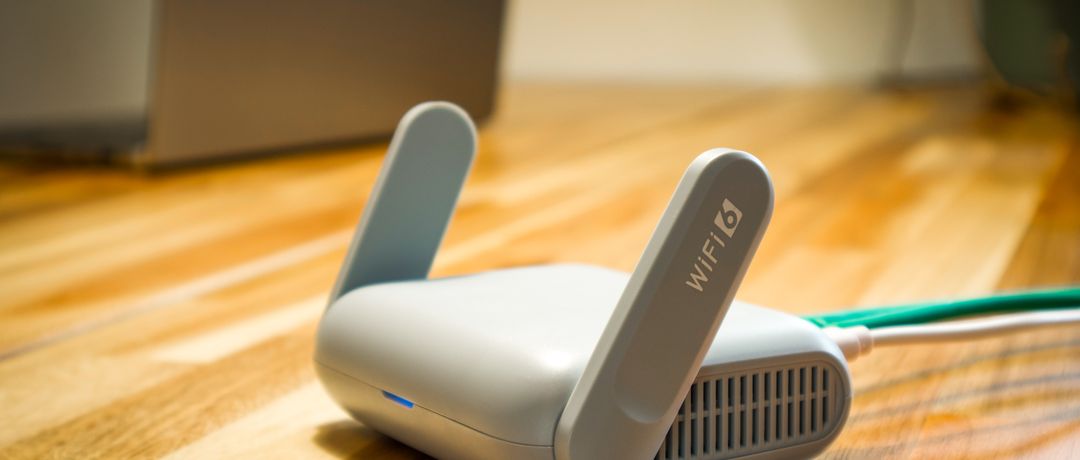
A travel eSIM is a data plan downloaded onto your phone before you fly, working the moment you land, with nothing to collect or return. Pocket Wi-Fi is a rented battery-powered router that connects to a local network and shares it over Wi-Fi with several devices, collected at an airport counter or posted to your hotel and returned at the end of the trip.
Pocket Wi-Fi is strongest in markets where it became a habit before eSIM existed, Japan above all, where rental desks are everywhere and the service is genuinely excellent. That familiarity, rather than economics, is why many travelers still default to it.
The cost maths per person
Pocket Wi-Fi typically runs five to eight dollars per day, plus a deposit, and sometimes insurance and delivery. A two-week trip therefore lands somewhere between seventy and one hundred and twenty dollars before extras. A travel eSIM sized for the same trip usually costs between ten and thirty dollars depending on the country and how much data you need.
For one traveler the comparison is not close. For two, sharing a router, the eSIM route still wins on cost in most countries once you buy two modest plans. The point where pocket Wi-Fi becomes competitive is three or more people who genuinely stay together all day, because one rental serves everyone while eSIMs are bought per phone. That is a real scenario for families, and a rare one for couples who split up during the day.
The logistics nobody mentions in the price
A pocket Wi-Fi router is another device to charge every night, another thing to carry, and something you must return on schedule or forfeit a deposit. Its battery typically lasts most of a day but not a long one, so power banks enter the equation. Most importantly, everyone sharing it must stay within Wi-Fi range, which quietly dictates that the group cannot split up, or one person is left offline.
An eSIM has none of that. There is nothing to collect, nothing to return, no deposit, and no shared dependency: each person's phone is independently connected whether they are at the museum or back at the hotel. If a phone runs low on battery, only that phone is affected rather than the whole group's connectivity.
When pocket Wi-Fi is genuinely the right answer
Three cases hold up. A family of four or more travelling together all day, where one rental beats four plans on price. A traveler whose phone does not support eSIM or is carrier-locked, where the router sidesteps the hardware problem entirely. And trips where a laptop needs sustained tethering and the available eSIM plans restrict hotspot use, which is a real limitation on many unlimited plans.
Outside those, the eSIM is cheaper, simpler, and removes the counter queue at both ends of the trip. If you are weighing an unlimited plan specifically because of heavy hotspot use, our unlimited eSIM breakdown lays out which plans cap tethering and which do not.
Deciding for your trip
Ask two questions. How many people will be together for most of the day, and does every phone support eSIM? Three or more people moving as one unit favours pocket Wi-Fi; anything less favours eSIMs, and any phone that cannot take an eSIM decides itself. The compatible phones list answers the second question in about a minute per handset.
If eSIM is the answer, size the plan honestly rather than buying the biggest option, since most travelers use three hundred to five hundred megabytes a day and hotel Wi-Fi absorbs the evenings. The per-app numbers behind that are in how much data do you need when traveling, and current prices for your destination are on the relevant country page, for example Japan, where the pocket Wi-Fi habit is strongest and the comparison is most often made.
Frequently asked questions
Is an eSIM cheaper than pocket Wi-Fi?
For one or two travelers, almost always. Pocket Wi-Fi runs five to eight dollars a day plus deposits, so two weeks costs seventy to a hundred and twenty dollars, while a travel eSIM for the same trip typically costs ten to thirty. The maths shifts toward pocket Wi-Fi at three or more people sharing one router all day.
Is pocket Wi-Fi better for families?
It can be. One rental serves several devices, so a family of four travelling together all day may pay less than buying four eSIM plans. The trade-off is that everyone must stay within range of the router, so it suits groups that genuinely move as one unit.
Do I still need pocket Wi-Fi in Japan?
No, though the habit persists there because rental desks predate eSIM and the service is good. For one or two people, a Japan eSIM is cheaper, needs no collection or return, and rides the same networks.
Can I tether a laptop from an eSIM instead of renting a router?
Usually yes on fixed-data plans, which allow hotspot use freely. Many unlimited plans cap or block tethering, so check the plan's hotspot policy if a laptop is central to your trip.
More on cost and comparisons
eSIM against roaming, local SIMs, and pocket Wi-Fi.