14 min read · Updated October 2026
Madinah Ziyarat guide: the places to visit and how to get there

Published October 13, 2026 · 14 min read
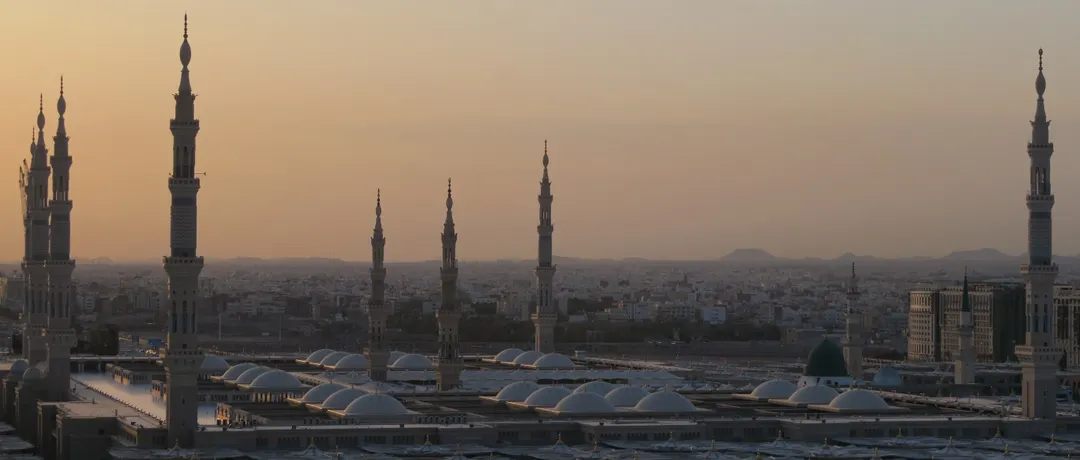
Most pilgrims spend three to five days in Madinah, and after prayers at Masjid an-Nabawi and a visit to the Rawdah, the question is always the same: which other places should we see? Ziyarat, the visiting of sites connected to the life of the Prophet and his companions, is how most groups fill those days, usually on a morning tour or with a taxi hired for a few hours.
This Madinah Ziyarat guide covers the places almost every itinerary includes: Masjid Quba, Masjid al-Qiblatain, Mount Uhud and the martyrs' cemetery, Jannat al-Baqi, and the Seven Mosques. For each one you will find what happened there, how far it is from Masjid an-Nabawi, the visiting rules that catch people out, and the cheapest sensible way to get there.
Ziyarat is not part of the rites of Umrah, and nothing here is obligatory. Scholars also differ on some practices at historical sites and graves. This guide sticks to history, logistics and the rules set by the Saudi authorities, and leaves questions of practice to your group leader or a scholar you trust.
The short answer
- Closest major site
- Jannat al-Baqi, next to Masjid an-Nabawi
- Masjid Quba
- About 3 to 3.5 km south, walkable on the Quba Walkway in about 45 minutes
- Masjid al-Qiblatain
- About 4 to 5 km northwest
- Mount Uhud
- About 5 to 6 km north
- Jannat al-Baqi access
- Men only, short openings after Fajr and Asr
- Taxi from the Haram
- Roughly SAR 15 to 35 per site; agree the fare first
- Private Ziyarat tour
- Roughly SAR 150 to 250 per car for 2 to 4 hours
What Ziyarat means in Madinah
Ziyarat simply means visiting. In Madinah it refers to the mosques, battlefields and cemeteries tied to the early history of Islam, almost all within a few kilometres of Masjid an-Nabawi. Visiting them helps pilgrims connect the stories they have heard since childhood with real places: the first mosque built by the Prophet, the mosque where the direction of prayer changed, the mountain where the Battle of Uhud was fought.
None of these visits is part of Umrah, and there is no fixed list. Most group packages include a Ziyarat tour on one morning, and independent pilgrims usually plan their own route with a taxi or ride-hailing app. Either way, it helps to know beforehand what you are seeing, because tour stops are often short and guides vary a lot in how much they explain.
Madinah Ziyarat places at a glance
The sites fall into three groups. Jannat al-Baqi is right beside Masjid an-Nabawi and can be visited on foot after Fajr or Asr. Masjid Quba lies to the south and is easy to reach on foot along the Quba Walkway or by a short taxi ride. Masjid al-Qiblatain, the Seven Mosques and Mount Uhud lie to the northwest and north, and are best combined in one trip by car.
Distances below are approximate, measured from Masjid an-Nabawi, and travel times depend heavily on traffic around prayer times. A full circuit of the main sites by car takes two to four hours including stops.
| Place | Distance from Masjid an-Nabawi | Best way to go | Note |
|---|---|---|---|
| Jannat al-Baqi | Next to the mosque | On foot | Men only, after Fajr and Asr |
| Masjid Quba | About 3 to 3.5 km south | Quba Walkway or taxi | Prayer here carries a reward like Umrah |
| Masjid al-Qiblatain | About 4 to 5 km northwest | Taxi or tour | Where the qibla changed to Makkah |
| Seven Mosques (Khandaq area) | About 4 km northwest | Taxi or tour | Site of the Battle of the Trench |
| Mount Uhud and martyrs' cemetery | About 5 to 6 km north | Taxi or tour | Grave of Hamza ibn Abd al-Muttalib |
| Masjid al-Jumu'ah | On the way to Quba | Combine with Quba | Site of the first Friday prayer |
Masjid Quba: the first mosque
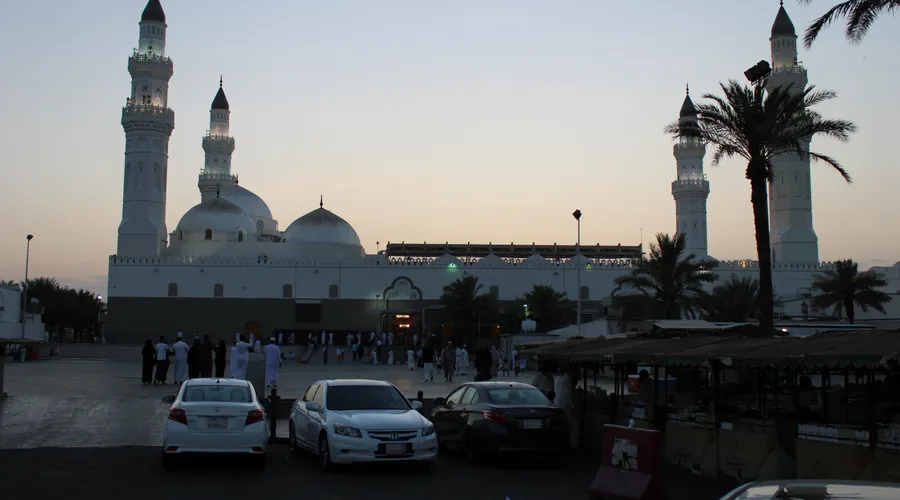
Masjid Quba stands on the site of the first mosque built by the Prophet, on his arrival from Makkah at the time of the Hijrah. It has been rebuilt and enlarged many times, most recently into the white complex with four minarets that pilgrims see today, but it remains one of the most visited places in Madinah.
Two hadith explain why. Ibn Umar reported that the Prophet used to go to the Mosque of Quba every Saturday, sometimes walking and sometimes riding, as recorded in Sahih al-Bukhari 1193. And Sahl ibn Hunaif reported that whoever purifies himself at home, then comes to the Quba Mosque and prays one prayer there, will have a reward like that of Umrah, recorded in Sunan Ibn Majah 1412 and graded hasan. For this reason many pilgrims make wudu at their hotel before setting out.
The easiest way to get there is the Quba Walkway, a paved, shaded pedestrian route of about 3 kilometres from the area south of Masjid an-Nabawi to Masjid Quba. At a steady pace it takes around 45 minutes, with cafes and benches along the way and small buggies for anyone who cannot walk the whole distance. Go early in the morning or after sunset in the warmer months; a taxi takes under 15 minutes if you would rather ride.
Masjid al-Qiblatain: the mosque of two qiblas
Masjid al-Qiblatain, the Mosque of the Two Qiblas, marks the place where the direction of prayer was changed from Jerusalem to the Kaaba in Makkah, during a prayer led by the Prophet, as described in Surah al-Baqarah. For many years the mosque kept a second prayer niche facing Jerusalem; after renovation, the interior now faces only Makkah, which sometimes surprises visitors expecting two mihrabs.
The mosque sits about 4 to 5 kilometres northwest of Masjid an-Nabawi and is a standard stop on every Ziyarat tour. It is open for prayers, and many visitors pray two rakat on arrival. Combine it with the Seven Mosques nearby, since both lie in the same part of the city.
Mount Uhud and the martyrs of Uhud
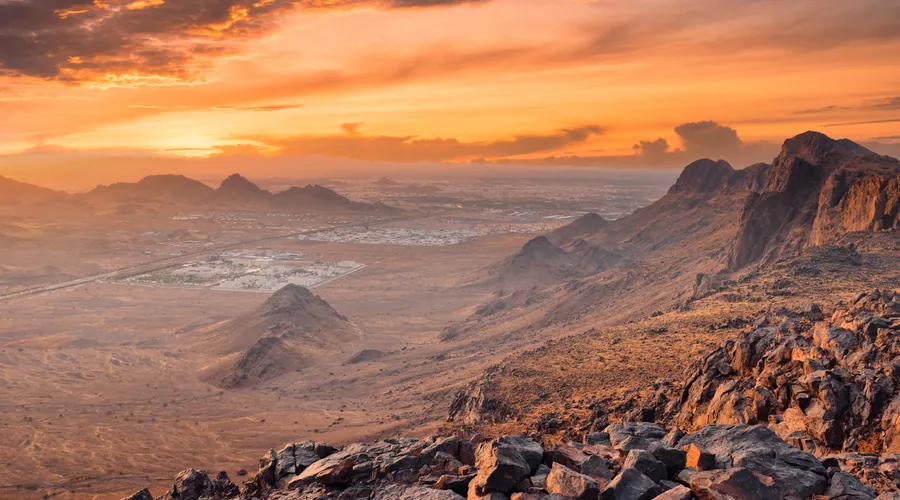
Mount Uhud, the reddish mountain north of the city, was the site of the Battle of Uhud in 625 CE (3 AH), when the Muslims of Madinah faced the army of Quraysh. Around 700 Muslims faced an army of roughly 3,000. Seventy companions were killed, among them the Prophet's uncle Hamza ibn Abd al-Muttalib, and they were buried at the foot of the mountain in what is now the walled martyrs' cemetery. The Prophet himself was wounded in the battle, and the events of that day are discussed at length in Surah Al Imran.
Facing the cemetery is a small hill known as Jabal al-Rumah, the Archers' Hill, where the Prophet stationed archers during the battle. Their decision to leave their positions is the turning point of the battle, and most guides tell the story from the slope. Many visitors climb the short path to the top for the view across to Uhud.
Visitors may stand at the cemetery fence and give salam to the martyrs. The cemetery itself is not entered, and the Saudi authorities prohibit practices such as touching or wiping the walls; staff enforce this, so it is best to follow their instructions.
Jannat al-Baqi: visiting rules and timings
Jannat al-Baqi, the main cemetery of Madinah, lies directly to the southeast of Masjid an-Nabawi. Thousands of companions are buried there, along with members of the Prophet's family, including several of his wives and his daughter Fatimah, according to many historians. The history of Al-Baqi goes back to the earliest days of the city.
Access is restricted. The cemetery opens for short periods, usually after Fajr and after Asr, and the exact times vary by season. Only men may enter; women generally give salam from outside the gates or from the viewing areas along the wall. Inside, the graves are simple and unmarked, staff keep visitors moving, and photography and touching the graves are not permitted. Check the current opening times at the gate the day before you plan to go.
Plan Baqi around Fajr
The easiest time for men to visit is straight after Fajr at Masjid an-Nabawi, when the gates open and the morning is cool. Leave bags and large items at the hotel, keep the visit quiet and short, and expect staff to guide the flow of people.
The Seven Mosques and other stops
The Seven Mosques, Masajid al-Sab'a, stand in the area where the Muslims dug a trench to defend Madinah during the Battle of the Trench (Khandaq) in 627 CE. The idea of the trench is traditionally credited to Salman al-Farisi, the Persian companion, and it held off a much larger confederate army for weeks until the siege collapsed. Several small historic mosques remain, alongside the larger modern Masjid al-Khandaq. Tours usually stop briefly here on the way to or from Qiblatain.
Other common stops include Masjid al-Jumu'ah on the road to Quba, where the first Friday prayer is said to have been held; Masjid al-Ghamamah, a short walk from Masjid an-Nabawi; and the date markets and farms on the edge of the city, where pilgrims buy Ajwa and other Madinah dates to take home. The official Visit Saudi guide to Madinah lists museums and heritage sites for those staying longer.
Getting around: walking, taxis, ride-hailing and tours
Jannat al-Baqi and Masjid Quba can both be reached on foot. For everything else you need a car. Taxis wait outside the main gates of Masjid an-Nabawi, but fares are not always metered, so agree the price before getting in. Ride-hailing apps such as Uber and Careem work well in Madinah and show the price upfront, which avoids haggling.
For a full circuit, many families hire a car with a driver for two to four hours, or join the group tour included in their package. Prices below are rough ranges reported by local operators and change often, especially around Ramadan and Hajj, so confirm before you book.
| Option | Typical cost | Good for |
|---|---|---|
| Walking (Baqi, Quba Walkway) | Free | Baqi after Fajr; Quba in the cooler hours |
| Taxi or ride-hailing, one site | SAR 15 to 35 | Quba or Qiblatain on their own |
| Private car and driver, short tour | From about SAR 150 to 200 per car | Families of up to four, 2 to 2.5 hours |
| Private car and driver, full tour | About SAR 200 to 250 per car | All main sites, 3 to 4 hours |
| Group tour in a package | Often included | First-time pilgrims who want a guide |
Best time of day and season for Ziyarat
Madinah is hot for much of the year. From May to September, daytime temperatures regularly pass 40 degrees Celsius, and standing at Uhud or walking to Quba at midday is genuinely draining, especially for older pilgrims. The best hours are straight after Fajr until about mid-morning, and again in the hour or two after Asr. The Quba Walkway is at its liveliest after Maghrib, when families come out in the cooler air.
Winter, from roughly November to February, is far more comfortable, with mild days and cool evenings when a light jacket helps. The busiest periods for Ziyarat sites are Ramadan, the weeks around Hajj, and Fridays, when Masjid Quba fills up and traffic around the Haram slows every journey. If you have a choice, a weekday morning outside these peaks gives the calmest visits.
Fit Ziyarat around the prayers at Masjid an-Nabawi rather than the other way round. Most pilgrims want to pray every prayer there, so plan each trip to leave just after one prayer and return before the next, and allow extra time for traffic in the half hour before the adhan.
Ziyarat with elderly parents or young children
Families travelling with elderly parents or small children do better with a private car than a group coach tour. A car lets you skip stops that involve stairs or long walks, wait in the air conditioning while one person goes ahead, and return to the hotel early if anyone tires. Many drivers will also drop you right at the mosque gates instead of at a coach park.
Wheelchairs can be hired near Masjid an-Nabawi, and Masjid Quba, Masjid al-Qiblatain and the viewing area at Uhud are all reachable without difficult climbs, though the Archers' Hill path is steep and uneven. Carry water, snacks and a small first aid kit, and plan shorter outings over two mornings rather than one long circuit in the heat.
A half day Madinah Ziyarat route
If you have one morning, this order keeps the driving short and gets you to Quba in time to pray there before the midday heat. Start after Fajr, and plan to be back at Masjid an-Nabawi for Dhuhr.
Half day route
- 1After Fajr: Jannat al-Baqi on foot (men), salam from outside for women
- 2Breakfast at the hotel, make wudu before leaving
- 3Mount Uhud and the martyrs' cemetery, with the Archers' Hill
- 4The Seven Mosques area
- 5Masjid al-Qiblatain, pray two rakat
- 6Masjid Quba, pray two rakat
- 7Return to Masjid an-Nabawi for Dhuhr
Etiquette, what to bring and staying connected
Treat every stop as a place of worship or a resting place, not a sightseeing spot. Dress as you would for the Haram, keep voices low at the cemeteries, follow the instructions of staff, and avoid photographing other people at prayer. Carry water, sun protection and a small bag for your shoes, since you will take them off at every mosque.
Your phone is useful throughout: maps between sites, Careem or Uber for the next leg, and keeping in touch if your group splits up. Mobile coverage is strong across Madinah, including Quba and Uhud; our Madinah eSIM guide has the network details, and our Saudi Arabia eSIM guide compares plans. If you still need to book the Rawdah inside Masjid an-Nabawi, our Nusuk app and Rawdah permit guide explains how, and our Umrah packing list covers what to bring for the whole trip.
Before you go: data for Saudi Arabia
Everything in this guide assumes a working phone: maps, transport apps, translation, bookings and the group chat. A travel eSIM installed before you fly costs a few dollars and removes the airport SIM queue entirely. Plans for Saudi Arabia start at $11.99 for 3GB, riding the STC network.
City-level coverage notes: using an eSIM in madinah.
Frequently asked questions
What are the main Ziyarat places in Madinah?
The places on almost every Madinah Ziyarat itinerary are Masjid Quba, Masjid al-Qiblatain, Mount Uhud and the martyrs' cemetery, Jannat al-Baqi, and the Seven Mosques. Masjid al-Jumu'ah and Masjid al-Ghamamah are common extra stops.
How far is Masjid Quba from Masjid an-Nabawi?
About 3 to 3.5 kilometres to the south. You can walk the paved Quba Walkway in around 45 minutes, or take a taxi or ride-hailing car in under 15 minutes for roughly SAR 15 to 30.
What is the reward for praying in Masjid Quba?
A hadith in Sunan Ibn Majah, graded hasan, states that whoever purifies himself at home, then comes to the Quba Mosque and prays there, has a reward like that of Umrah. Sahih al-Bukhari also records that the Prophet visited Quba every Saturday.
Can women visit Jannat al-Baqi?
Women are generally not allowed inside Jannat al-Baqi. They can give salam from outside the gates or from viewing areas along the wall. Men can enter during the short openings, usually after Fajr and Asr.
What are the Jannat al-Baqi timings?
The cemetery usually opens for men for a short period after Fajr and again after Asr. Exact times change with the season, so check at the gate or with your hotel the day before you plan to visit.
How much does a Madinah Ziyarat tour cost?
A private car and driver for a short tour of 2 to 2.5 hours usually starts from about SAR 150 to 200 per car, and a full tour of 3 to 4 hours runs about SAR 200 to 250. Many Umrah packages include a group Ziyarat tour at no extra cost.
Why does Masjid al-Qiblatain have that name?
Qiblatain means two qiblas. It marks the place where the direction of prayer was changed from Jerusalem to the Kaaba in Makkah during a prayer led by the Prophet, as described in Surah al-Baqarah.
Is Ziyarat part of Umrah?
No. Ziyarat is optional and is not one of the rites of Umrah. It is a way for pilgrims to visit places connected with early Islamic history during their stay in Madinah.
Can I use Uber or Careem for Ziyarat in Madinah?
Yes. Uber and Careem both operate in Madinah and show the fare upfront, which avoids haggling with taxi drivers. You need mobile data to book, so set up an eSIM or local SIM before you start the day.
Sources and official references
Browse all travel guides or jump to eSIM plans by destination.