14 min read · Updated October 2026
Makkah Ziyarat guide: the places to visit and how to get there

Published October 21, 2026 · 14 min read
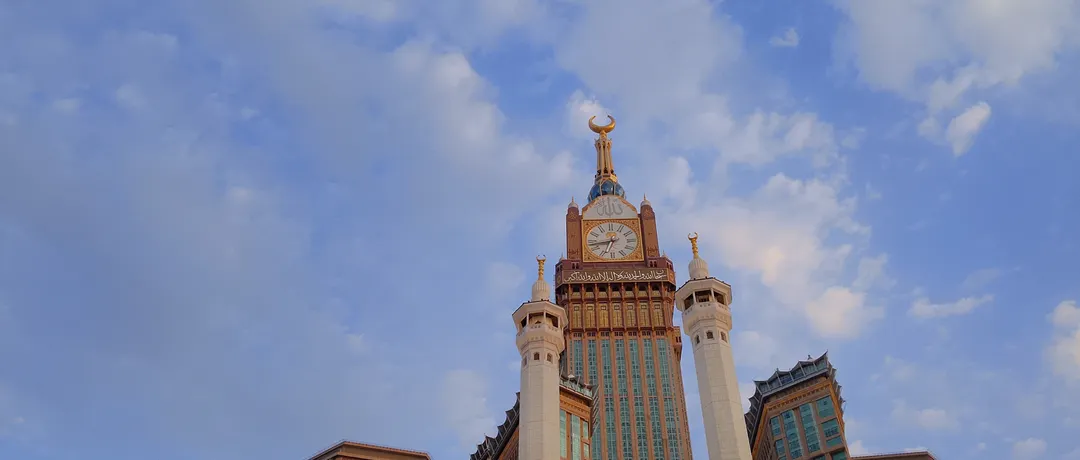
Makkah Ziyarat is the visit pilgrims make to the historic sites around Makkah after their Umrah: Jabal al-Nour and Cave Hira, Jabal Thawr, the Jannat al-Mualla cemetery, and the plains of Mina, Muzdalifah and Arafat. Most of these places sit within 1 to 7 km of Masjid al-Haram, while Arafat lies further out to the southeast, so a full tour fits into one morning.
This guide covers each site with its distance from the Haram, what you can actually see and do there today, how hard the climbs are, and the practical route most pilgrims follow. It also covers the newer Hira Cultural District at the foot of Jabal al-Nour, which now has a museum and an exhibition alongside the path to the cave.
As with our Madinah guide, Ziyarat is not part of the rites of Umrah, and nothing here is obligatory. Scholars differ on some practices at historical sites and graves. This guide sticks to history, logistics and the rules the authorities apply on site, and leaves matters of practice to your own scholars.
The short answer
- Closest site
- Jannat al-Mualla, about 1 km north of Masjid al-Haram
- Jabal al-Nour (Cave Hira)
- About 4 km northeast; climb takes up to 2 hours
- Jabal Thawr (Cave Thawr)
- About 5 km south; steep climb of 90 minutes to 2 hours
- Hira Cultural District
- At the foot of Jabal al-Nour; Revelation Exhibition tickets from about SAR 25
- Mina, Muzdalifah, Arafat
- Visited by car outside Hajj; Arafat is the furthest point
- Typical tour length
- About 3 to 4 hours by car
- Best time to go
- Early morning, after Fajr, before the heat
What is Makkah Ziyarat?
Ziyarat in Makkah means visiting the places in and around Makkah linked to the life of the Prophet, peace be upon him, and the rites of Hajj. It is a historical and educational visit, separate from Umrah, and pilgrims usually make it on a free morning after completing their Umrah. There is no fixed list, but almost every tour includes the same core sites.
Most group packages include a Ziyarat tour, usually by bus, on one morning of the stay. Independent pilgrims book a taxi or a private car for three to four hours, or use Careem or Uber to visit sites one at a time. The sites themselves are free to visit, except for the paid exhibitions in the Hira Cultural District.
Ziyarat places in Makkah at a glance
The main sites fall into three groups: the two mountains with caves, Jabal al-Nour and Jabal Thawr; the sites close to the Haram, such as Jannat al-Mualla; and the Mashaer, the plains of Mina, Muzdalifah and Arafat where the rites of Hajj take place. The table below lists each one with its approximate distance from Masjid al-Haram, drawn from reporting by The National and official visitor information.
Distances are by road and approximate, and travel times depend heavily on traffic around the Haram, which is heaviest just before and after each prayer. Plan your route so you are back in Makkah well before the next prayer time.
| Place | Distance from the Haram | What to expect |
|---|---|---|
| Jannat al-Mualla cemetery | About 1 km north | Walled cemetery; viewing from the gate, entry rules vary |
| Jabal al-Nour and Cave Hira | About 4 km northeast | Steep climb of up to 2 hours to the cave |
| Hira Cultural District | About 4 km northeast | Revelation Exhibition and Holy Quran Museum |
| Jabal Thawr and Cave Thawr | About 5 km south | Very steep climb of 90 minutes to 2 hours |
| Masjid al-Bay'ah | About 7 km north, near the Jamarat | Small historic mosque near Mina |
| Mina | East of Makkah, on the way to Arafat | Tent city and the Jamarat, seen by car |
| Muzdalifah | Between Mina and Arafat | Open plain, usually passed by car |
| Arafat and Jabal al-Rahmah | Southeast, the furthest stop | Plain of Arafat and Masjid Nimrah |
Jabal al-Nour and Cave Hira
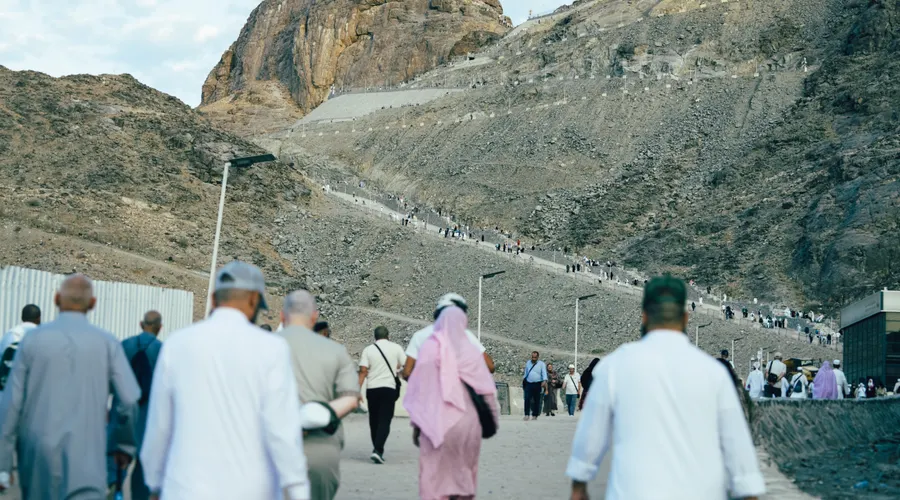
Jabal al-Nour, the Mountain of Light, stands about 4 km northeast of Masjid al-Haram. Near its summit is Cave Hira, where the Prophet, peace be upon him, is believed to have received the first revelation of the Quran. It is the most visited Ziyarat site in Makkah, and the climb is the most demanding part of most tours.
The path is a long flight of uneven stone steps, and the climb takes up to two hours depending on your fitness, the heat and the crowds, according to The National. The cave itself is small, so at busy times there is a queue around the top. Start early, ideally straight after Fajr, carry water, wear shoes with grip rather than sandals, and come down before the midday heat. Elderly pilgrims and anyone with heart or knee problems should consider viewing the mountain from the Hira Cultural District at its foot instead.
Climbing safely
Do not climb in the middle of the day between May and September, when temperatures in Makkah regularly pass 40°C. Take at least a litre of water per person, keep your phone charged for maps and calls, and turn back if you feel dizzy.
The Hira Cultural District: Revelation Exhibition and Holy Quran Museum
The Hira Cultural District is a newer development at the foot of Jabal al-Nour, with walkways, a visitor centre and two main attractions: the Revelation Exhibition, which tells the story of the first revelation, and the Holy Quran Museum, which opened in 2025 and covers the revelation, writing and preservation of the Quran, with displays of manuscripts and calligraphy.
Entry to the district grounds is free, while the Revelation Exhibition is ticketed, from about 25 riyals per person according to Visit Saudi. Opening hours are published differently by different sources and have changed several times, and the attractions close for part of Friday, so check the current times on the day before you go. For families and older pilgrims who cannot climb to the cave, the district is the most rewarding part of a visit to Jabal al-Nour.
Jabal Thawr and Cave Thawr
Jabal Thawr lies about 5 km south of Masjid al-Haram. Near its summit is Cave Thawr, where the Prophet, peace be upon him, and Abu Bakr are believed to have hidden for three nights during the Hijrah to Madinah while they were pursued by the Quraysh. It is a key site in the story of the migration that marks the start of the Islamic calendar.
The climb is harder than Jabal al-Nour. The authorities describe it as a steep ascent of about 90 minutes to two hours to reach the cave, according to The National. Many pilgrims, especially older ones, view the mountain from the road and reflect on the story there rather than attempting the climb. If you do climb, the same rules apply as at Jabal al-Nour: go early, take water and wear proper shoes.
Jannat al-Mualla cemetery
Jannat al-Mualla is one of Makkah's oldest cemeteries, about 1 km north of Masjid al-Haram in the Al Hajun area. It predates Islam, and Islamic tradition links it to Khadijah bint Khuwaylid, the first wife of the Prophet, peace be upon him, as well as other early family members. Like Jannat al-Baqi in Madinah, it is deliberately plain, with simple unmarked graves.
Access varies, particularly during Hajj, and it is usually limited to men, as at Jannat al-Baqi. Many pilgrims simply stand at the gate or the boundary to offer greetings and supplications for those buried there. Because it is so close to the Haram, it is easy to combine with a walk or a short taxi ride after a prayer. Check local guidance on the day.
Mina, Muzdalifah and Arafat
Mina, Muzdalifah and Arafat, known together as the Mashaer, are the places where the rites of Hajj are performed. Outside the Hajj season they are quiet, and a Ziyarat tour drives through them in about an hour, stopping at the Jamarat in Mina, passing through Muzdalifah and ending at Arafat, the furthest point from Makkah.
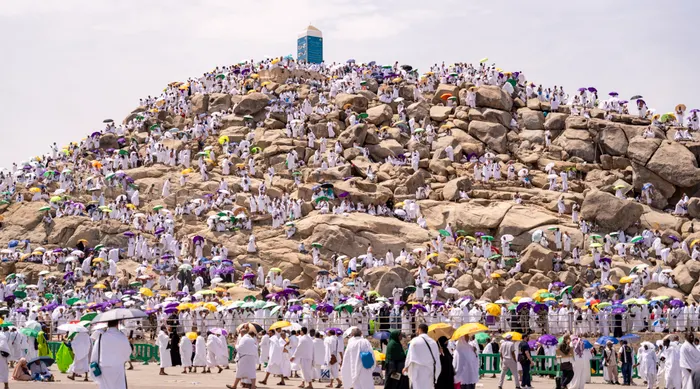
At Arafat, most visitors stop at Jabal al-Rahmah, the Mount of Mercy, and see Masjid Nimrah from the outside, the mosque where the Hajj sermon is delivered on the Day of Arafah. Near the Jamarat, Masjid al-Bay'ah marks the Pledges of Aqabah, made before the Hijrah, and is about 7 km north of the Haram. During the Hajj season these areas are restricted to registered pilgrims, so plan your visit for a few days before or after the main Hajj rites, as The National advises for Masjid al-Bay'ah.
Masjid Aisha and the miqat for another Umrah
Masjid Aisha, also called Masjid al-Tan'eem, is the nearest miqat to Makkah, roughly 7 to 8 km north of the Haram. Pilgrims who are already in Makkah and want to perform another Umrah go there to enter ihram. It is often added to the end of a Ziyarat tour, and there are taxis and buses to it from the Haram area.
If you plan to make a second Umrah from Masjid Aisha, take your ihram with you on the tour, or plan a separate short trip later in your stay. Some pilgrims also travel to Masjid al-Ji'ranah, a more distant miqat to the northeast, though it is rarely part of a standard Ziyarat route.
How to plan your Ziyarat route in Makkah
The most practical route starts straight after Fajr and takes three to four hours by car. Begin with Jabal al-Nour and the Hira Cultural District while it is cool, drive on to Mina, Muzdalifah and Arafat, return via Jabal Thawr, and finish at Jannat al-Mualla or Masjid Aisha on the way back to your hotel.
If you are short on time or travelling with elderly relatives, skip the climbs and do the drive only: Jabal al-Nour and Jabal Thawr from the road, the Mashaer, and Jannat al-Mualla. That version takes about two and a half hours and is far less tiring.
A morning Ziyarat route
- 1After Fajr: Jabal al-Nour, with or without the climb to Cave Hira
- 2Hira Cultural District, if the exhibition is open
- 3Mina and the Jamarat, with Masjid al-Bay'ah nearby
- 4Muzdalifah, usually passed by car
- 5Arafat, Jabal al-Rahmah and Masjid Nimrah
- 6Jabal Thawr, viewed from below or climbed
- 7Jannat al-Mualla or Masjid Aisha on the way back
How much does a Makkah Ziyarat tour cost?
A Ziyarat tour is often included free in group Umrah packages. Booked independently, private three hour tours listed online range from about $88 to $175 per vehicle depending on the car, from a sedan to a large SUV, and operators commonly charge extra per hour if you stay longer. Shared bus tours from the Haram area cost less per person.
Agree the route, the stops and the total price before you set off, and confirm whether the climbs are included, because waiting while you climb Jabal al-Nour adds an hour or more. Careem and Uber also work in Makkah if you would rather visit one or two sites at your own pace, and a working data connection makes it easy to compare fares and share your location with your group. The full budget for the trip is covered in our first Umrah guide.
| Option | Typical cost | Best for |
|---|---|---|
| Included in a group package | Free with the package | Group pilgrims |
| Shared bus tour from the Haram area | Low, per person | Budget travellers |
| Private car, about 3 hours | About $88 to $175 per vehicle, listed online | Families and small groups |
| Careem or Uber, site by site | Metered per trip | Visiting one or two sites |
Ziyarat with elderly parents and children
With elderly parents or young children, Ziyarat works best as a drive-only tour with short stops. Skip the climbs to Cave Hira and Cave Thawr, which are steep, uneven and exposed to the sun, and see both mountains from the road or from the Hira Cultural District, which has paved paths, shade and indoor exhibitions.
Book a private car rather than a crowded bus so you can stop when someone needs a rest, and keep the tour under three hours. Carry water, snacks, a small umbrella for shade and any medicines, and make sure every adult has a charged phone with data and the group's meeting point saved. Wheelchairs can be used in the Hira Cultural District and at the main viewpoints at Arafat, but not on the mountain paths. For children, the exhibition and the stories of the Hijrah at Jabal Thawr are often the most memorable parts of the day.
Staying connected on a Ziyarat tour
Mobile coverage is good across Makkah and on the roads to Mina, Muzdalifah and Arafat, which are built for millions of pilgrims at Hajj. Coverage is weaker on the upper slopes of Jabal al-Nour and Jabal Thawr, so download an offline map before you climb and agree a meeting point with your group at the bottom.
A Saudi travel eSIM keeps maps, Careem, Nusuk and WhatsApp working for the whole tour. Our Makkah eSIM guide covers coverage around the Haram, and our Saudi Arabia eSIM plans compare prices for a typical Umrah trip. If your stay continues to Madinah, our Madinah Ziyarat guide covers Quba, Qiblatain and Mount Uhud, and the Umrah packing list lists the shoes, water bottle and power bank that make a tour easier.
Before you go: data for Saudi Arabia
Everything in this guide assumes a working phone: maps, transport apps, translation, bookings and the group chat. A travel eSIM installed before you fly costs a few dollars and removes the airport SIM queue entirely. Plans for Saudi Arabia start at $11.99 for 3GB, riding the STC network.
City-level coverage notes: using an eSIM in makkah.
Frequently asked questions
What are the main Makkah Ziyarat places?
The main Makkah Ziyarat places are Jabal al-Nour and Cave Hira, Jabal Thawr and Cave Thawr, the Jannat al-Mualla cemetery, the Hira Cultural District, and the Mashaer of Mina, Muzdalifah and Arafat, including Jabal al-Rahmah. Many tours also stop at Masjid Aisha, the nearest miqat for another Umrah.
How long does a Makkah Ziyarat tour take?
A Ziyarat tour of Makkah by car takes about three to four hours if you include a stop at Jabal al-Nour. Climbing to Cave Hira adds up to two hours, and climbing Jabal Thawr adds about 90 minutes to two hours. A drive-only tour without climbs takes about two and a half hours.
How far is Cave Hira from Masjid al-Haram?
Jabal al-Nour, where Cave Hira is located, is about 4 km northeast of Masjid al-Haram. The drive is short outside prayer times, and the climb from the base to the cave takes up to two hours.
Is the Hira Cultural District free?
Entry to the Hira Cultural District grounds is free, but the Revelation Exhibition is ticketed, from about 25 riyals per person according to Visit Saudi. Opening hours vary between sources and the attractions close for part of Friday, so check before you go.
Can women visit Jannat al-Mualla?
Access to Jannat al-Mualla is usually limited to men, as at Jannat al-Baqi in Madinah, and it varies during Hajj. Women in a group often wait at the gate or view the cemetery from outside. Check local guidance on the day of your visit.
Can you visit Arafat and Mina outside Hajj?
Yes. Outside the Hajj season Mina, Muzdalifah and Arafat are open, and Ziyarat tours drive through them and stop at Jabal al-Rahmah. During Hajj they are restricted to registered pilgrims, so visit a few days before or after the main Hajj rites.
How much does a Makkah Ziyarat tour cost?
A Ziyarat tour of Makkah is often included in group packages. Private three hour tours listed online cost about $88 to $175 per vehicle depending on the car, with extra charges for additional hours. Agree the route and price before you leave.
Is Makkah Ziyarat part of Umrah?
No. Ziyarat is a historical visit, not one of the rites of Umrah, and it is not obligatory. Pilgrims usually make it on a free morning after completing their Umrah.
What is the best time for Makkah Ziyarat?
The best time is straight after Fajr, when it is cooler and the roads are quiet. Climbs to Cave Hira and Cave Thawr should be avoided in the midday heat, especially between May and September, and you should plan to return before the next prayer.
Sources and official references
Browse all travel guides or jump to eSIM plans by destination.